






OpenAI is testing ads inside ChatGPT today in the U.S. The test called the “OpenAI Ad Pilot Program” is limited to logged-in adult users on the free tier and its newer $8 per month ChatGPT Go subscription. All higher-priced plans, including Plus, Pro, Business, Enterprise, and Education, will remain ad-free during this test.
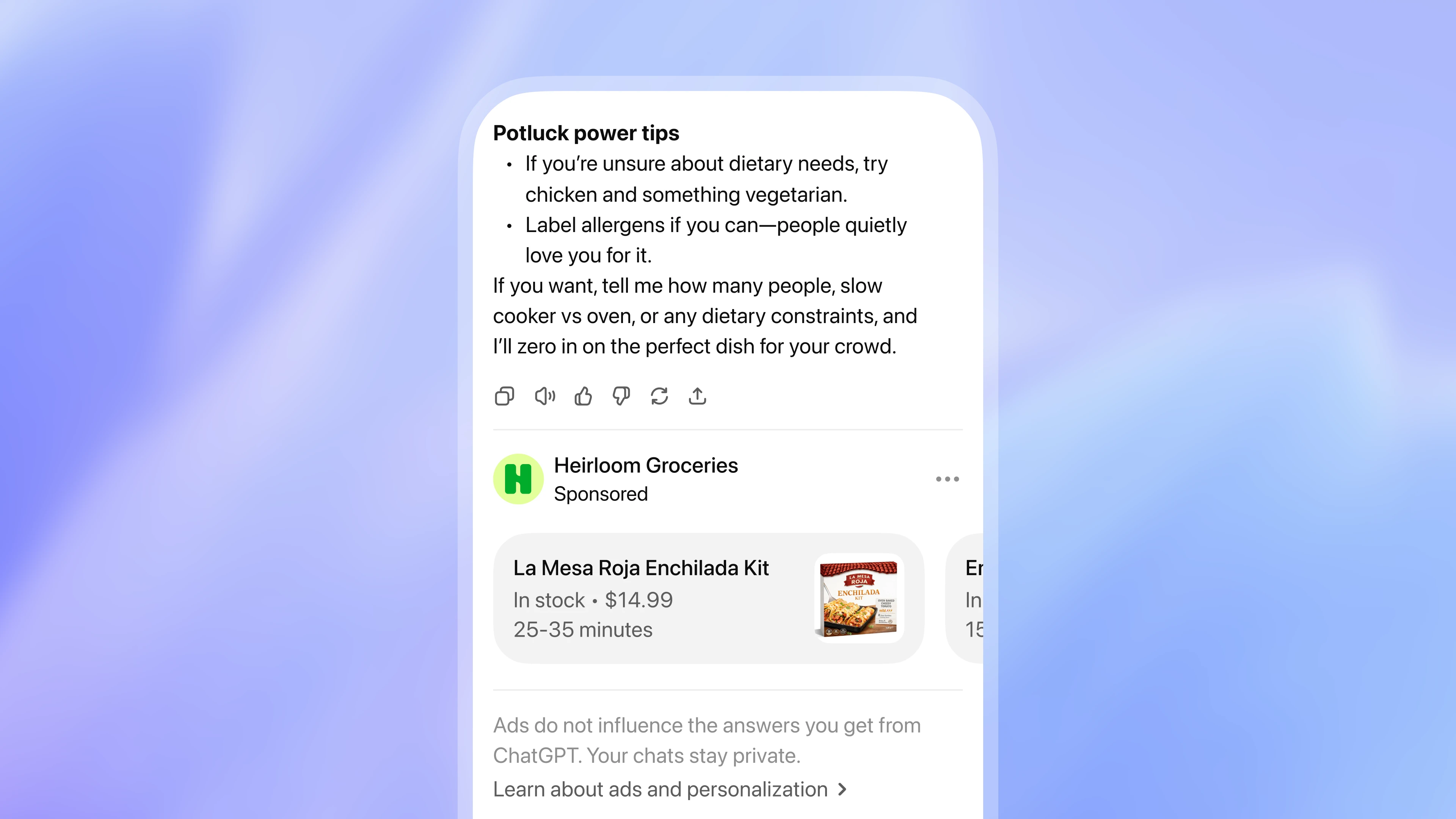
The rollout follows an earlier announcement in early February that OpenAI would bring ads to ChatGPT as part of its monetization strategy. According to OpenAI, the ads will appear below chatbot responses and will be clearly labeled as advertising. The company says the ads will be visually separated from the AI’s answers. It also claims that these placements will not affect how ChatGPT formulates or ranks responses.
OpenAI says ads will not appear in conversations that involve personal topics such as health, mental health, or political queries. Ads will also not be shown to users who are predicted to be under 18.
How ad targeting and data access will work
The company says advertisers will not have access to individual conversations, chat histories, or personal user data. Instead, advertisers will only receive aggregate performance metrics, such as impressions and clicks.
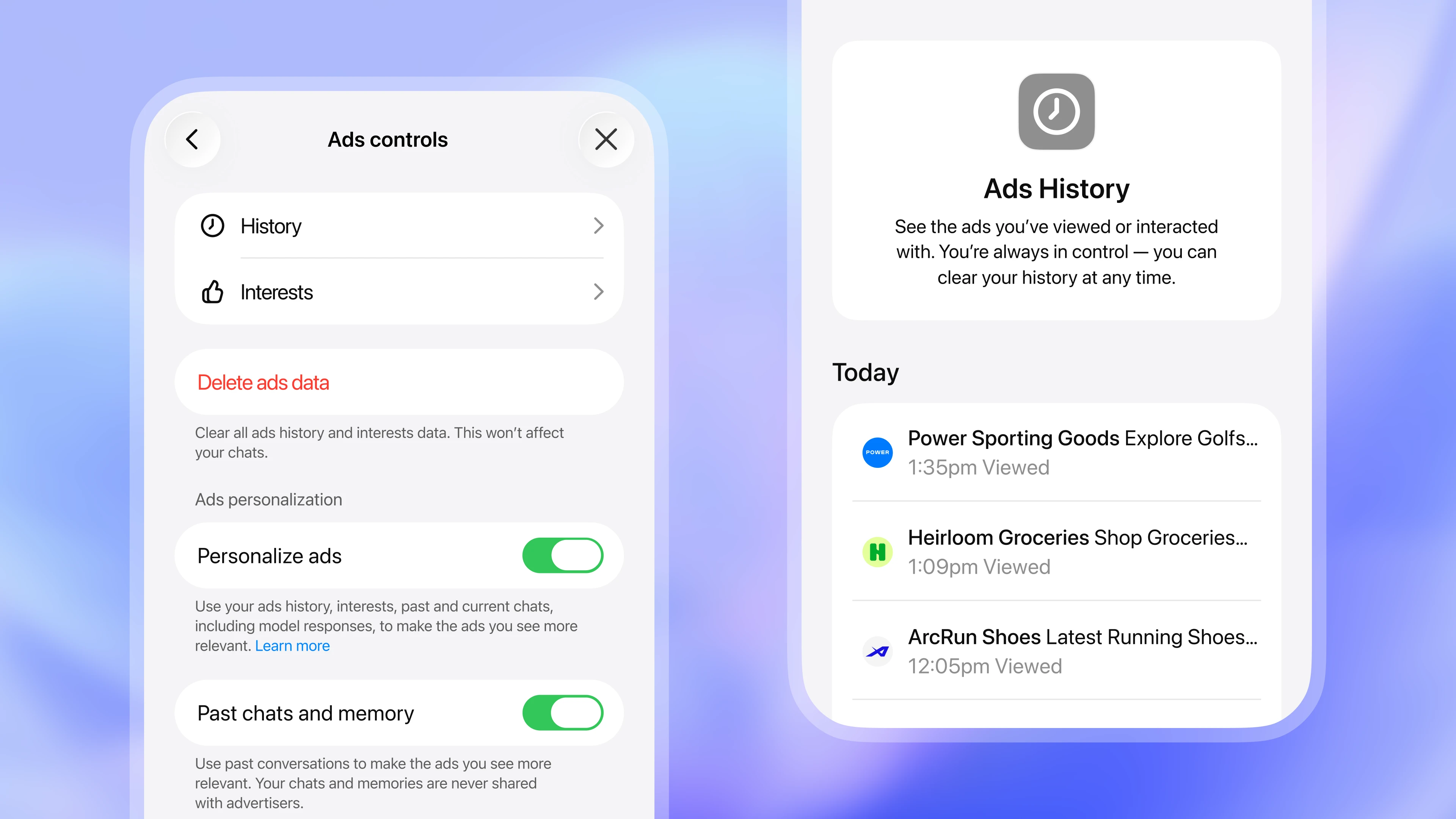
Ads may be matched to the topic of a user’s conversation or past interactions, according to OpenAI. At the same time, users can dismiss ads, provide feedback on relevance, clear ad-related data, and manage personalization settings. OpenAI also says chat data will not be shared with advertisers.
Early advertiser access and pricing expectations
Previous industry reporting suggests early access to ad testing has been offered to select advertisers with significant budgets. Some brands have been invited to commit at least $200,000 to participate in the beta rollout. These initial partnerships appear tightly controlled, with commitment sizes varying by category and use case. Reports also suggested that ChatGPT ads are expected to be priced on a cost-per-thousand-impressions basis, with early campaigns valued at around $60 CPM.
Adobe has officially confirmed that it is partnering with OpenAI in the pilot. In a blog post, the company said it is expanding its ongoing relationship with OpenAI to include ad testing with logged-in users in the U.S. Adobe said it will run ads for Acrobat Studio and Adobe Firefly in partnership with its agency, WPP.
Dentsu, in an official blog post, said it is also participating as an early test partner in the OpenAI Ad Pilot Program with clients across CPG, grocery, hospitality, retail, software, and travel. Will Swayne, Global Practice President of Media and Integrated Solutions at Dentsu, said: “As an early participant in the OpenAI Ad Pilot Program, we look forward to helping clients to test and learn in this new landscape. We believe LLMs are the next media frontier.”
The confirmation shows that OpenAI is already working with large agency partners that manage budgets across multiple verticals. Omnicom Media Group, another major agency holding company, told AdWeek that more than 30 of its clients will run ads through the pilot.
Industry positioning and competitive response
Bringing ads to ChatGPT has already prompted reactions from competitors. Rival AI company Anthropic has highlighted that its Claude chatbot will “remain ad-free,” including in a recent Super Bowl commercial. The message contrasts Anthropic’s positioning with OpenAI’s decision to test ads. OpenAI leadership has defended the approach, asserting that clearly labeled and optional ads can support access to free services without compromising the quality of chatbot responses.
However, industry analysts note that ad revenue could help support ChatGPT’s large but predominantly non-paying user base, which has been estimated at hundreds of millions of weekly active users, and offset significant infrastructure costs.
OpenAI says the initial test is meant to gather insights and user feedback, with plans to refine ad formats and explore additional objectives, buying models, and business interactions over time.
Recap
Which ChatGPT plans will have ads?

Only ChatGPT free tier and $8/month ChatGPT Go subscription plans will show ads. Higher-priced plans including Plus, Pro, Business, Enterprise, and Education will remain ad-free during testing.
Where do ads appear in ChatGPT?
Ads appear below ChatGPT's responses and are clearly labeled as advertising. OpenAI states that ads are visually separated from AI answers and do not influence how ChatGPT formulates responses.
Can ChatGPT advertisers access users chat data?
Advertisers cannot access individual conversations, chat histories, or personal user data. They only receive aggregate performance metrics like impressions and clicks, with no access to chat content.